
Siamo atterrati a Yangon, la vecchia capitale della Birmania, in tarda serata. Abbiamo lasciato alle spalle le mille luci di Bangkok per atterrare nel semibuio di una città di 6 milioni di abitanti. Il fuso orario è sbilenco (+5 ore e ?mezza?), così come la guida delle macchine: si guida come da noi a destra, ma le macchine hanno per la maggior parte il volante a destra e qualche volta a sinistra, immaginatevi il casino nei sorpassi..
Dopo un giorno di perlustrazione a Yangon, ci siamo spostati al Thabarwa Center http://www.thabarwa.org , un monastero buddista alle porte della città. Questo centro accoglie centinaia di monaci, anziani, malati, poveri e visitatori stranieri in cerca di un luogo dove meditare. Qui il denominatore comune è la meditazione, sotto la guida spirituale di Sayadaw, il maestro che si dirige sulla via dell’illuminazione. E noi?
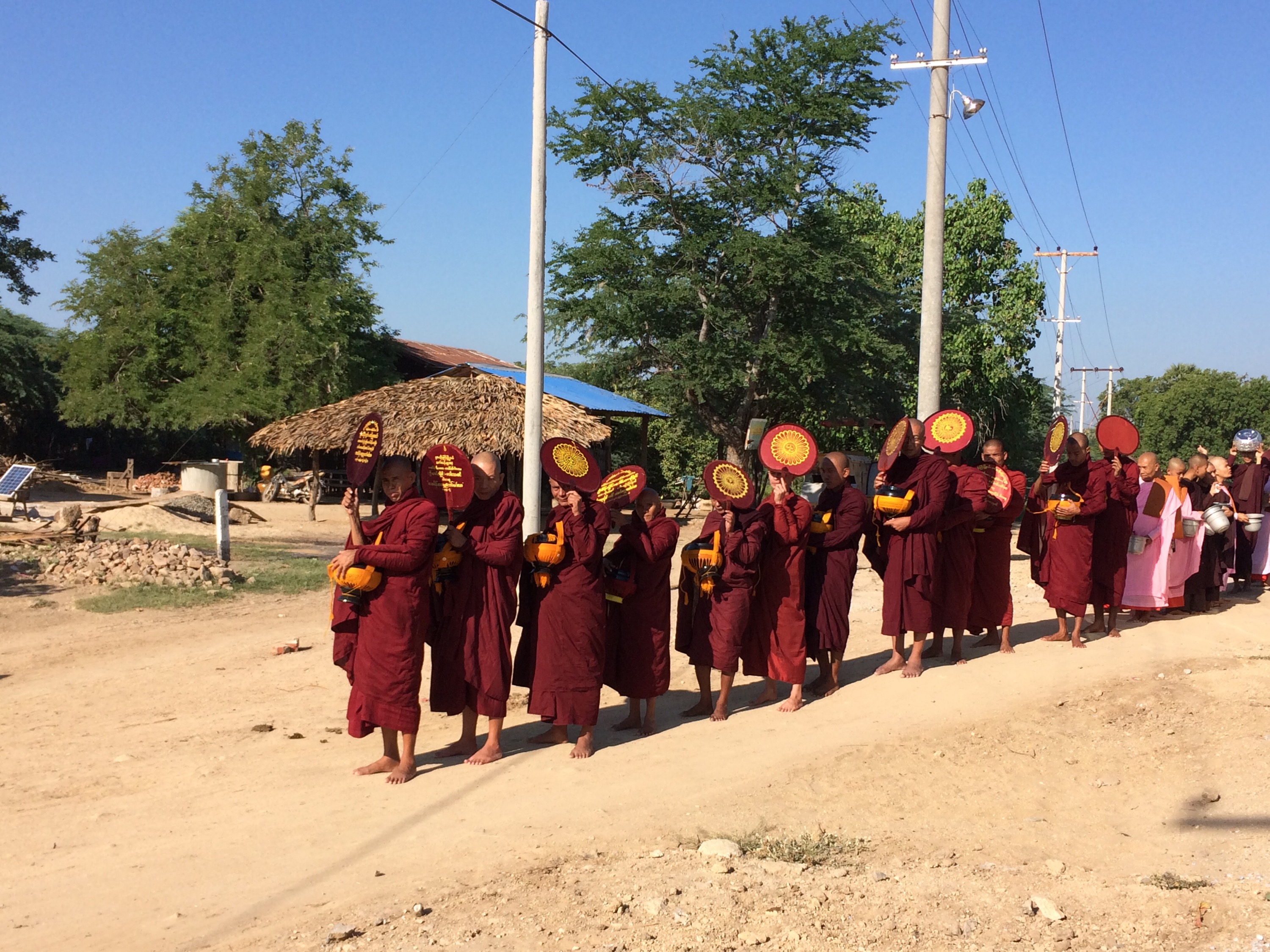
Siamo arrivati al Thabarwa grazie a Couchsurfing e in pochi secondi ci siamo sentiti come a casa. Il secondo giorno, dopo aver condiviso i momenti cardine di una giornata tipo (meditazione mattino, pomeriggio, sera e almsgiving, le offerte che i monaci raccolgono quotidianamente dai fedeli), si avvicina a noi una volontaria del centro per chiederci di seguire il loro maestro in un pellegrinaggio di 10 giorni in giro per il Myanmar. E da lì comincia l’avventura..
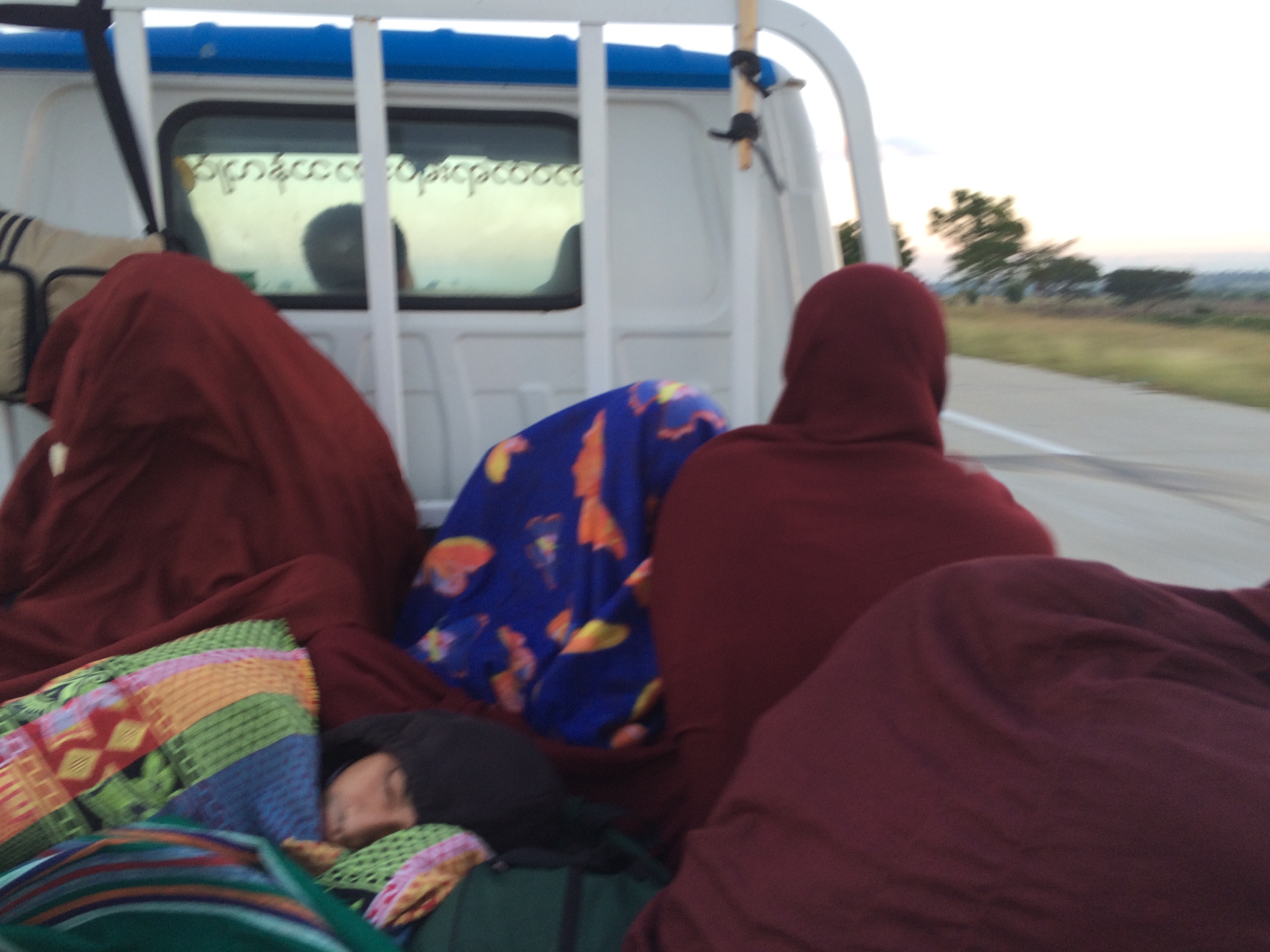
Eravamo circa 70 persone, tra monaci, monache e seguaci del maestro con una montagna di zainetti, caricati su due autobus e sul retro di un furgoncino, rivelatosi alla fine il mezzo di trasporto scelto per noi ultimi arrivati.
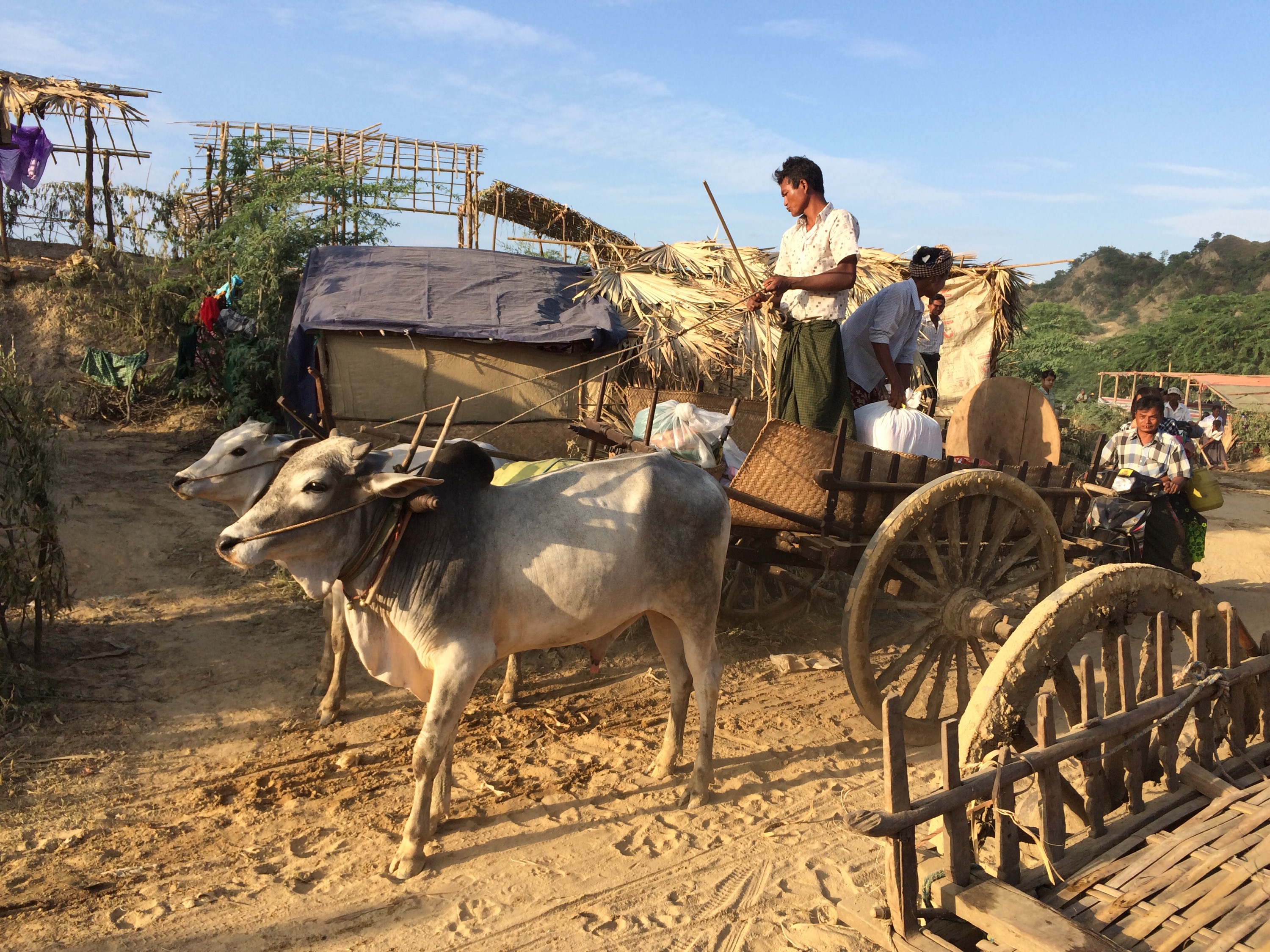
Siamo arrivati a Mandalay dopo una notte passata “al vento” stretti nel retro del furgoncino come una cucciolata di gattini e una giornata passata in un nuovo monastero nelle campagne birmane. I giorni seguenti sono trascorsi seguendo il ritmo frenetico del gruppo a cui ci siamo accodati, sveglie all’alba e infinite ore ad ammirare i paesaggi aridi e secchi di giorno e le stelle di notte, cercando di attuire i colpi dettati dai dossi e le buche delle strade. Abbiamo accompagnato il maestro nei villaggi più disparati e isolati, dove il mezzo di trasporto più in voga è tuttora il carro trainato da buoi e le docce si fanno “vestiti” all’aperto, accanto alle vacche incuriosite.
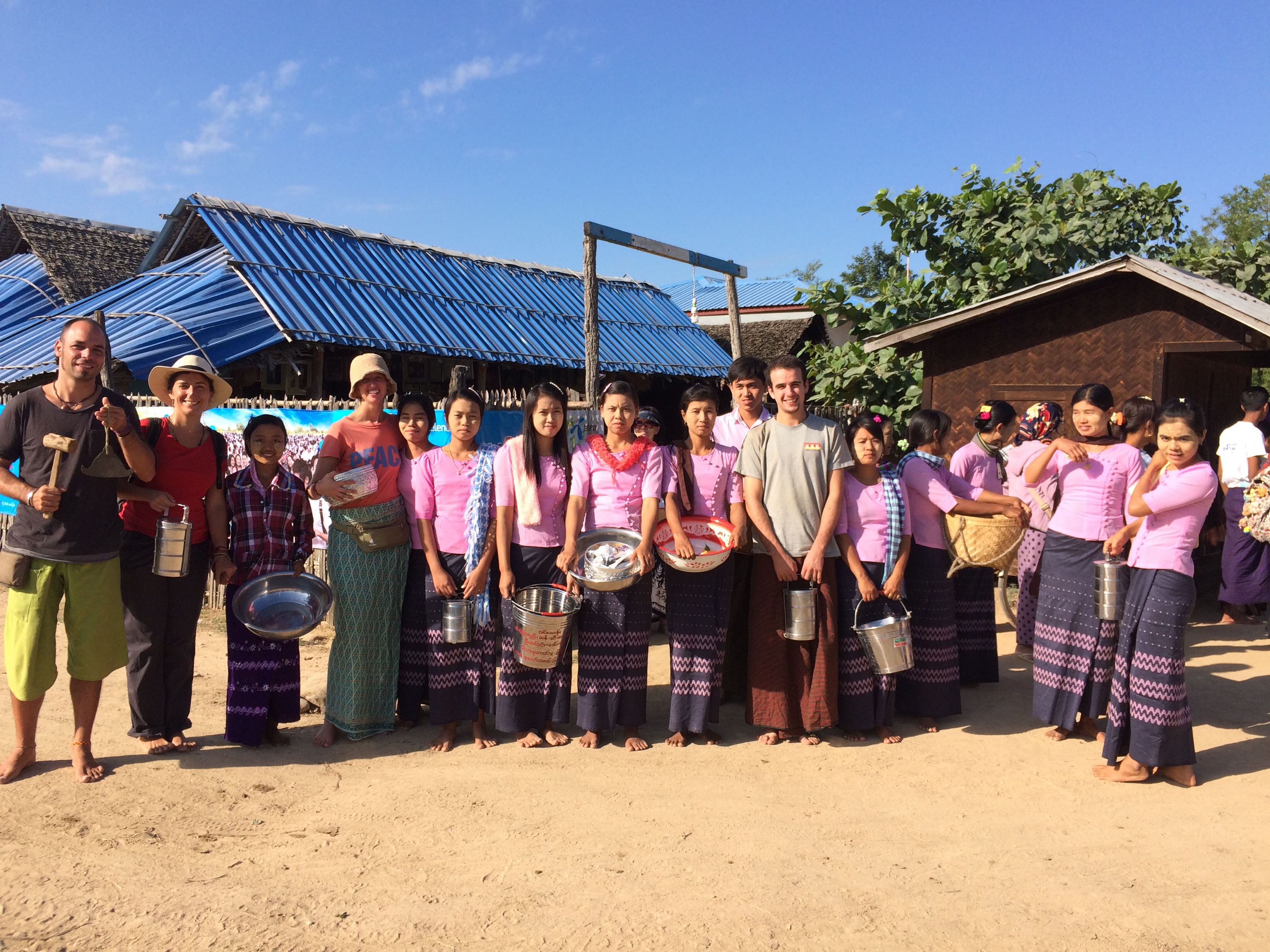
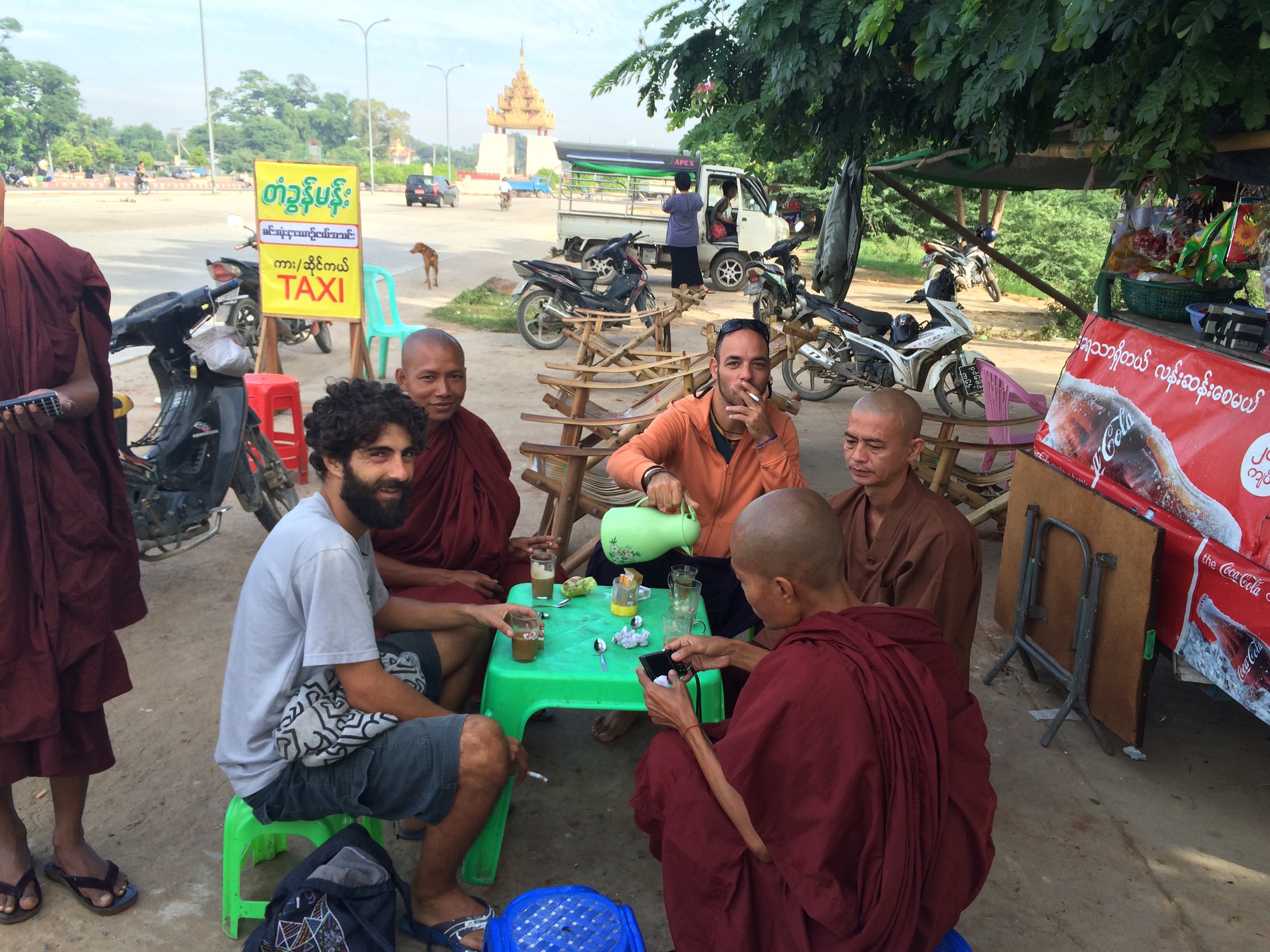
Ci siamo trovati in festival religiosi, raggiunti in carrozza dalla gente locale, abbiamo visitato pagode millenarie che non avevano mai visto turisti. Con il passare dei giorni eravamo sempre più immersi in un’insolita quotidianetà, rompendo il muro della timidezza e della diffidenza che ci divideva dai monaci e le monache a suon di caffè, the e sigarette. Ci siamo trovati seduti in tavolate dove la gente locale ci cirondava e osservava con occhio curioso per vedere il nostro modo di mangiare, pronti a riempire le portate dei piattini lasciati sul tavolo a mo’ di buffet… la cucina birmana ci ha lasciato incantati per la sua diversità e la sua eleganza, che purtroppo non abbiamo trovato nei ristorantini allestiti per i turisti.
Dopo cinque giorni di viaggio ci siamo staccati dal gruppo dei monaci per andare a curiosare al “festival delle mongolfiere” a Taunggyi, di cui avevamo sentito parlare… A breve le foto!


We arrived in Yangon (or Rangoon), Burma (or Manmar)’s ex-capital late at night. We left Bangkok’s shimmering lights and landed in a semi dark city of 6 million people. The time difference is exotic (+5 and a half hours from Italy) and the driving is confusing: on the right hand side of the road but most cars have the steering wheel on the right, making Myanmar the most accident-friendly coutnry in South East Asia.
After a day of exploring Yangon, we moved to the Thabarwa Center http://www.thabarwa.org, a buddhist monastery just outside the city which hosts hundreds of monks, old, sick and poor people eho don’t have a home, and foreigners who want to meditate. The center is guided by Sayadaw, its spiritual leader. What about us?
We found Thabarwa Center on Couchsurfing and immediatly felt like at home. On the second day, after sharing the daily tasks of the monks (meditation in the morning, afternoon and evening, almsgiving, when the monks collect the offerings from the people), a volunteer from the center approached us to ask if we wanted to join them on a 10 day pilgrimage around rural Myanmar. And that’s when the adventure began..
We were approx. 70 people: monks, nuns, followers of the spiritual guide and too many luggages, carried on two buses and the back of the pick-up, which we later found out to be our vehicle.
We arrived in Mandaly after a chilly “night out” on the pick-up, squeezed like puppies, and a day in the Burmese countryside, visiting a newly founded monastery.
The next days went by quickly, following the hectic schedule of the group we were following, wake-up calls at sunrise, admiring the vast landscapes of the rural countryside durign the day and the sky full of stars at night, trying to smoothe the bumps of the road. We followed the monks in the most isolated villages, where poepl still travel on carts pulled by animals, where you shower outside, partly dressed, next to the curious cows nearby.
We went to religious festivals, visited thousand years old pagodas which had never been seen by foreigners before. After a few days we felt comfortable in this uncommon routine, breaking the wall of diffidence and shyness initially held by the monks and nuns.
We ate substantial meals surrounded by the local villagers who attentively observed the way we ate and drank, and who immediately re-filled our empty plates. The burmese cuisine is varied and delicious, unfortunately very different from what is offered at tourist spots.
After five days of travelling with the monls, we left the group to sneak in at the “balloon festival” in Taunggyi, which had been strongly reccomended to us. The photos will follow soon….
 Zainetto in spalla